developing your creative practice
In Pursuit of Connection, Funded by Arts Council England
I applied for this project with a hope of expanding how I was able to work and what I would be able to offer creatively, but what I wasn’t prepared for was a total shift in thinking. Not just thinking, but relating, to myself and to everything that is not myself. As a result of this year, the way in which I experience and engage with the world has fundamentally changed.
In essence, this project had four objectives: to explore the use of poetry as a means of connection and expression, to create a sustainably eco-conscious practice through choice of materials, to become competent in specific printing methods, and to expand my creative networks. Crucially, this journey was embedded in a single place, a site that I would return to each week in support of a place-based practice.
It is with huge thanks to my artist mentors that I arrived at the place I did. Please find further information below about the support they gave me and how you can connect with them.
bodenham lake nature reserve
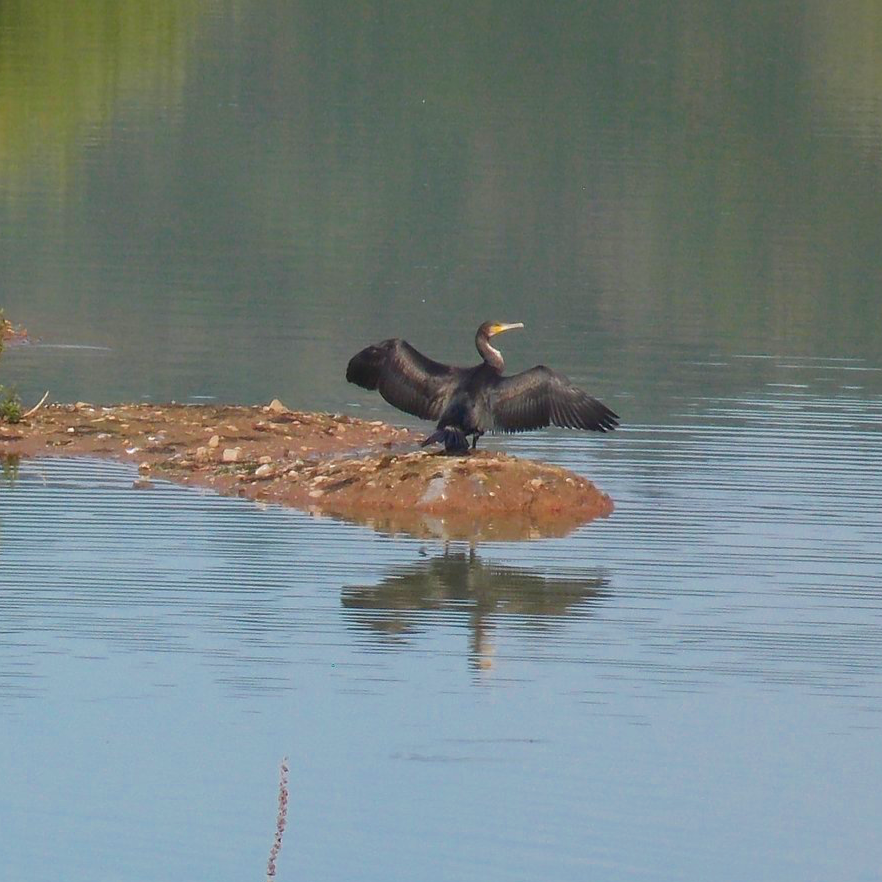
When developing the idea for this project, I knew that I wanted to base myself in a single location. I wanted to become familiar enough with a place to notice discrete changes throughout the year, from week to week, from which to draw inspiration. But more importantly, I wanted a relationship. I wanted to build an intimate connection to a place and see the impact on my resulting work.
poetry

Before this project had formulated, my engagement with poetry had become more deliberate, more purposeful. So within the first few weeks of the DYCP, I took part in an Arvon Writing Week with poet tutors Roy McFarlane and Jenny Mitchell. This kickstarted my writing journey at Bodenham, and after two further workshops, I had come to realise that writing poetry was what I wanted to do during my time there.
materials
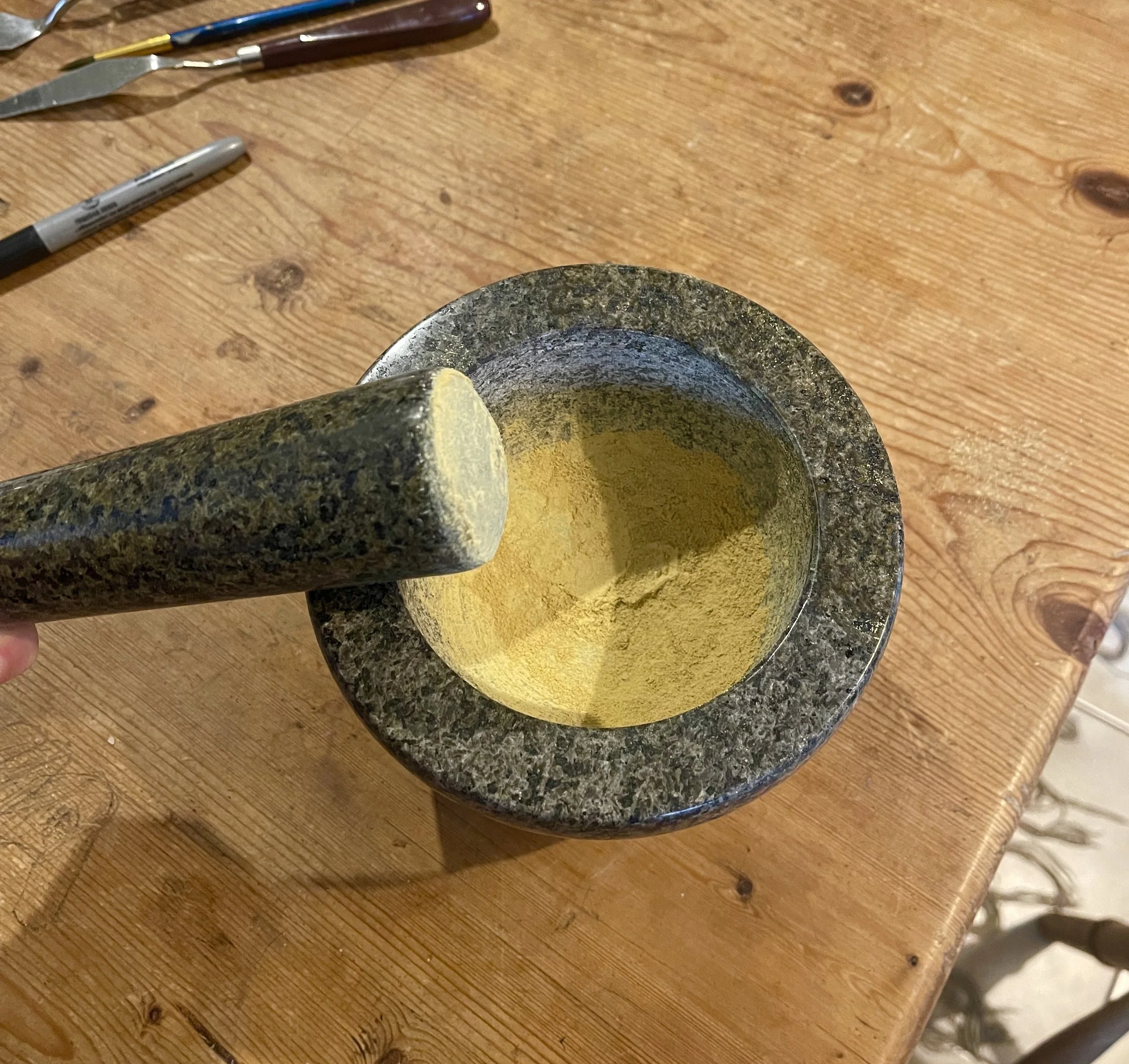
As a creative practitioner, it is important to acknowledge my ecological footprint and consider how to work as sustainably as possible. For this reason, I wanted to dedicate time learning from those whose use of organic materials and pigments have become a fundamental part of their work, and to adopt some of these best practices.
printing
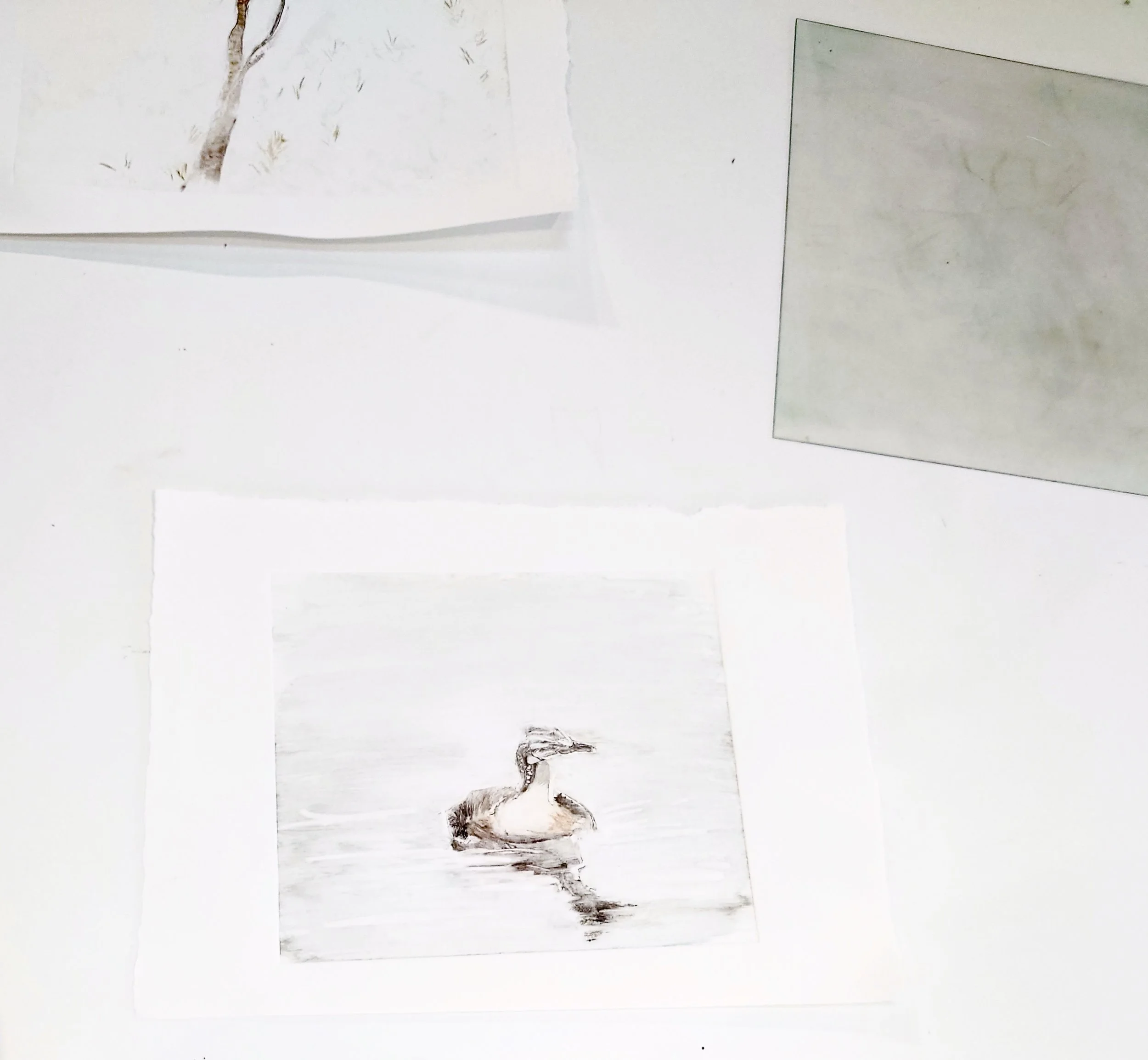
Prior to the DYCP, I had used watercolour or pencil (coloured/graphite) for the majority of my artwork. They were portable, easy to store, and I could produce a decent representation in a short amount of time. I wanted to use this project time to slow my work down, to spend more time with the materials and explore other mediums which would support a sustainable, ecologically conscious practice.
readings
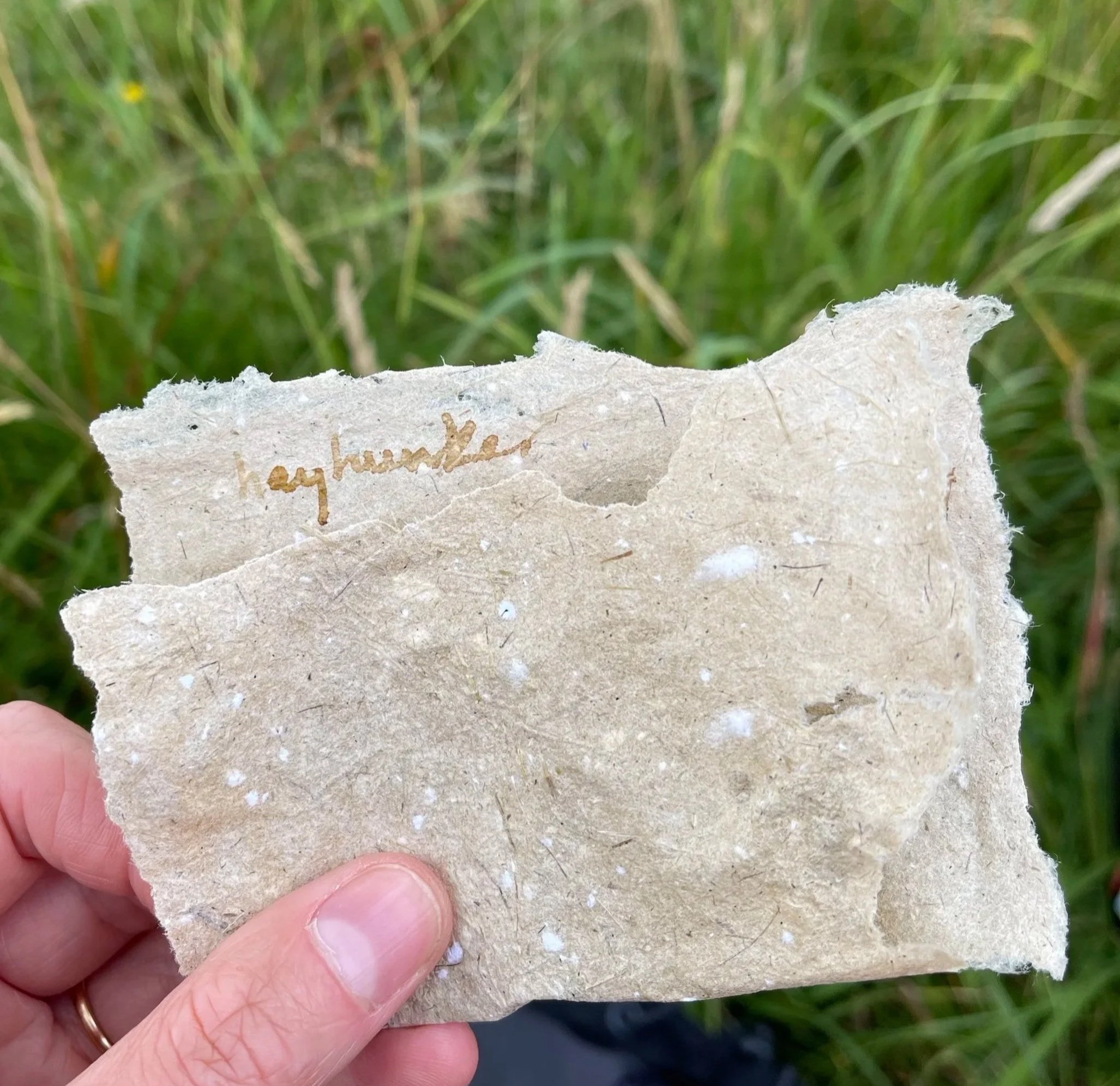
Small selection of poems shared with Bodenham Lake. Recorded over my final two project visits, each clip includes a short introduction as to when and where the poem was written. Time stamps indicate the start of each piece.
mentors
-
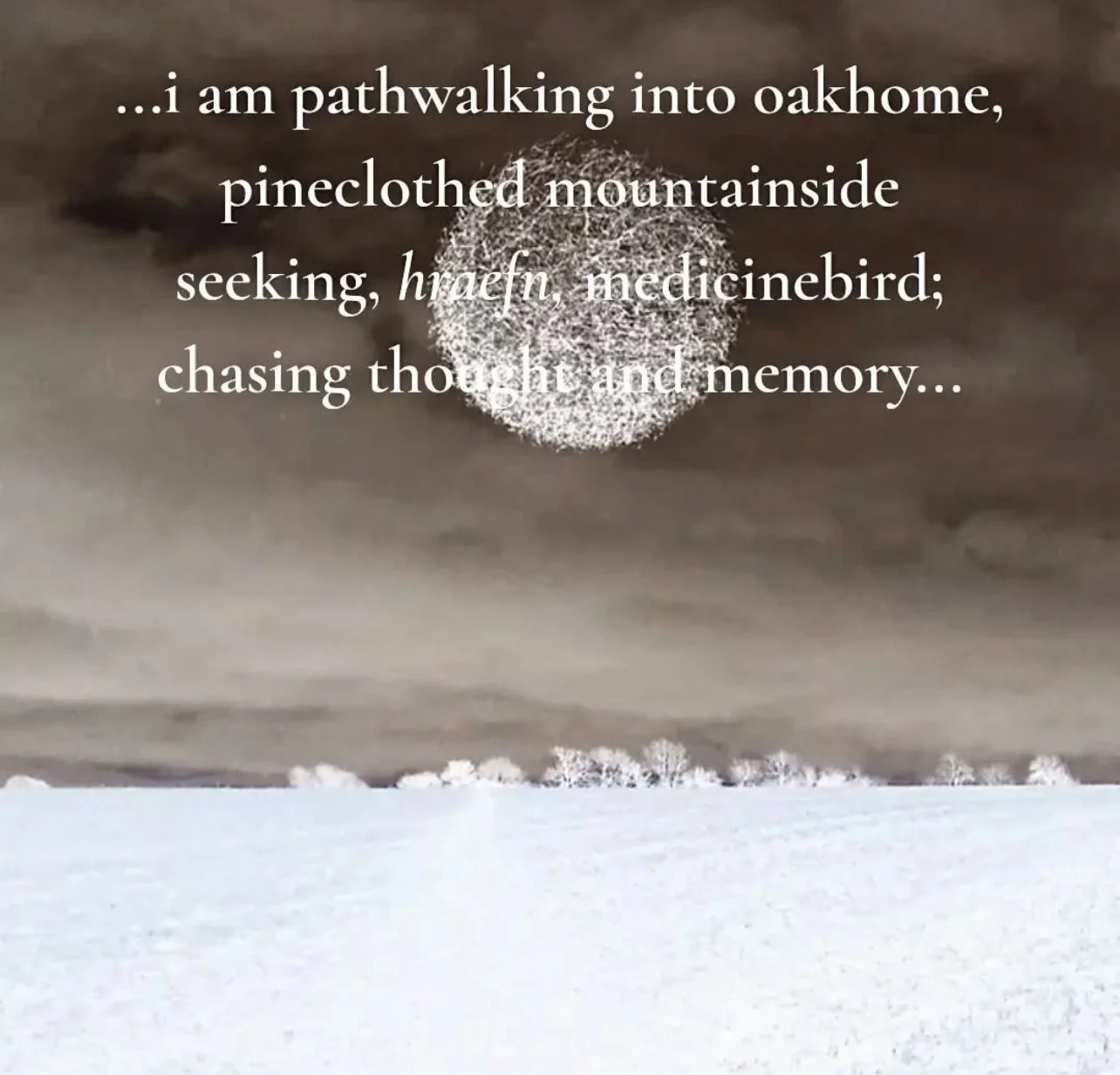
…kruse
Throughout this project, I had a constant; a place to sound my thoughts and share my discoveries, a person whose questions enabled me to delve deeper and understand more fully, and always a safe space to return to. On many occasions our sessions led to a significant shift or clarity in thinking, shaping my journey.
Over the course of the year …kruse supported me with the following (not an exhaustive list): - identifying my core creative values - unpicking what it is I want to ‘say’ - discussing themes & collections of work - proofreading & writing critiques - time management & task prioritisation - considering future creative directions
Since working with …kruse, I believe that a mentor is an invaluable asset to any creative practitioner.
To connect with …kruse or learn more about their practice: www.krusework.info
instagram: @_kruse -
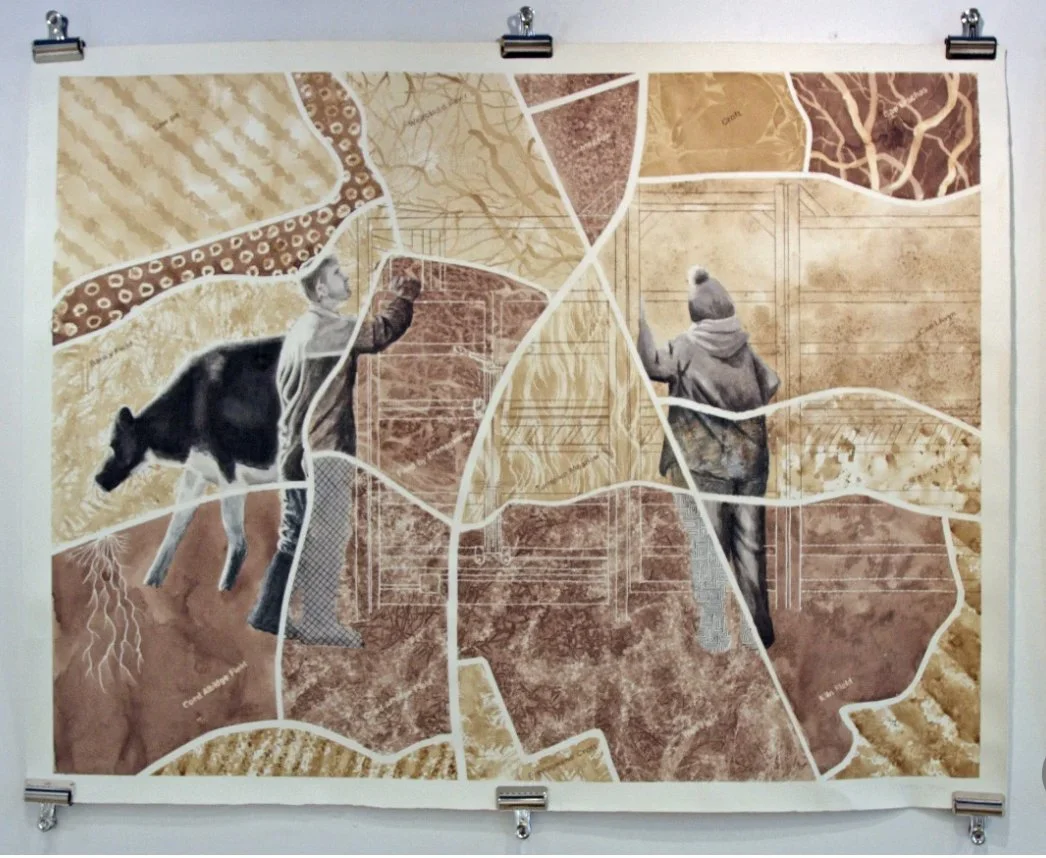
andrew howe
Across three sessions, Andrew shared his research into the production of organic inks, the effects of various mordants, the process of extracting pigment and the steps required for making paper from plant matter.
During our time together, we had many interesting conversations about the development of community projects. He generously shared artworks, sketchbooks and ideas for future works with me, as well as taking me around Doctor’s Field in Shrewsbury, one of two sites he had been documenting during an artist residency.
Beyond this, working alongside Andrew emphasised the joys of working creatively with others, the importance of creative dialogue, and the sharing of inspiration, findings and challenges.
To connect with Andrew or learn more about his practice: www.andrew-howe.com instagram: @andhowenow
-
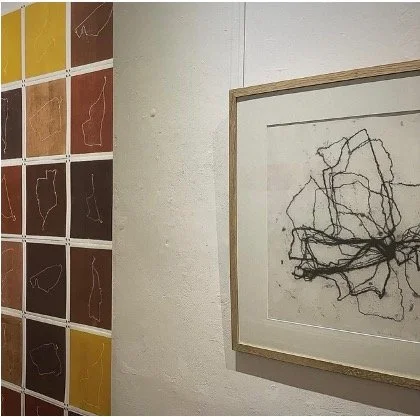
nichola goff
Working out of The Yard Print Studio was a milestone in the project - I had reached the point where I would need to start making creative choices.
After an initial tour of the studio and hearing more about Nic’s use of local earth pigments, I began to picture how certain words or poems might sit alongside visuals. During our letterpress tutorial I was drawn to embossing, which along with being aesthetically pleasing and wonderfully tactile, spoke of a fleeting quality, rather like the gradual fading of the organic inks I had been working with.
It was such a pleasure sharing studio space with other printmakers. Working separately while sharing in the creative process felt affirming for me as an artist, and unexpectedly, had a very positive impact on my focus - something for me to consider for the future.
To connect with Nic or learn more about her practice: www.nicholagoff.com @nicholagoff